Blog

College Application Tips for Filipino Students

1. Prepare Your Application Requirements Early
Applying for college requires several documents, and preparing them ahead of time can make the process smoother. Most colleges in the Philippines require senior high school report cards, certificates of good moral character, birth certificates, and completed application forms. Some schools may also require entrance exam results and additional supporting documents. Gathering these requirements early helps students avoid delays and ensures that applications are submitted before the deadline.

2. Choose the Right Course and School
Selecting the right college course is an important decision that can influence a student’s future career. Students should consider their interests, academic strengths, and long-term goals when choosing a degree program. It is also helpful to research different colleges and universities to compare their programs, facilities, tuition fees, and academic reputation before making a final decision.

3. Research Admission Requirements
Each university in the Philippines has its own admission process and requirements. Some schools require entrance examinations, while others may focus on academic records and interviews. Students should carefully review the admission guidelines on the official website of each school to ensure they meet all requirements and submit the correct documents.

4. Apply to Multiple Colleges
Applying to several universities can increase the chances of getting accepted. It also provides students with alternative options if they are not admitted to their first-choice school. By applying to multiple institutions, students can compare offers and choose the best option that fits their academic goals and financial situation.

5. Explore Scholarships and Financial Aid
College education can be expensive, so students should look for scholarships and financial aid opportunities. Many universities, government agencies, and private organizations offer scholarships for qualified students. Applying for scholarships can help reduce tuition costs and make higher education more accessible.6. Double-Check Your Application Before Submission
Before submitting an application, students should review all forms and documents to ensure everything is complete and accurate. Checking for missing information, incorrect details, or incomplete requirements can prevent delays or rejection of the application. Careful preparation and attention to detail can help students successfully complete the college application process.

March 16, 2026No comments
Best Colleges Offering Criminology in the Philippines

The Bachelor of Science in Criminology (BSCrim) is one of the most popular programs for students who want to pursue careers in law enforcement, criminal investigation, and public safety. In the Philippines, criminology graduates must pass the Criminologist Licensure Examination administered by the Professional Regulation Commission (PRC) before practicing professionally. Because of this requirement, students often choose schools with strong board exam performance and established criminal justice programs.

Below are some of the best colleges and universities in the Philippines offering criminology, known for strong academic programs, facilities, and good performance in licensure examinations.

1. University of the Cordilleras

The University of the Cordilleras in Baguio City is one of the most recognized institutions offering criminology in the Philippines. The university has consistently ranked among the top-performing schools in the Criminology Licensure Examination and continues to produce board topnotchers.

Students benefit from strong academic training, modern learning facilities, and programs that emphasize criminal investigation, forensic science, and public safety.

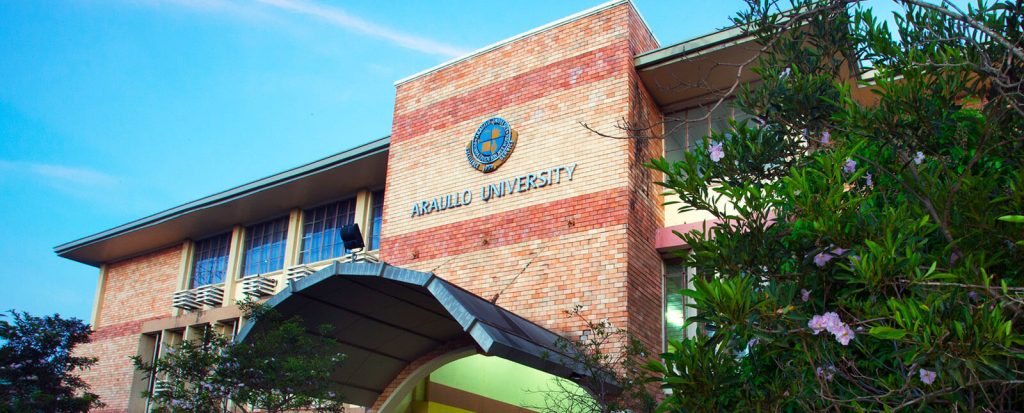
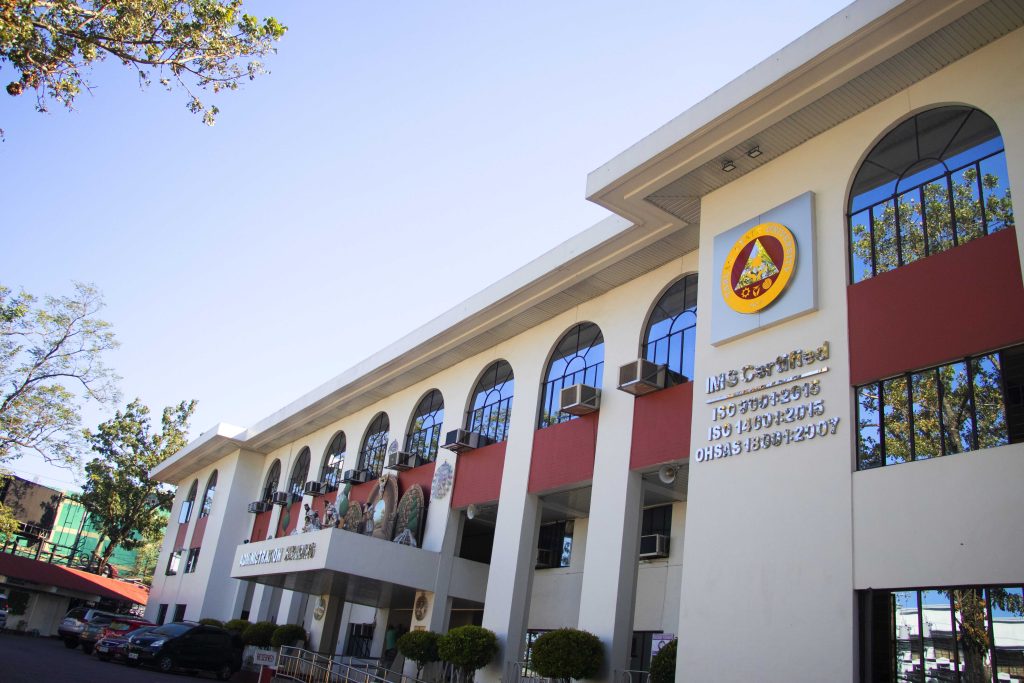
2. PHINMA Araullo University

PHINMA Araullo University in Cabanatuan City is another institution known for its criminology program. The university gained national recognition after becoming the top-performing school in the August 2025 Criminology Licensure Examination, producing hundreds of newly licensed criminologists and several topnotchers.

The school provides practical training through its College of Criminal Justice Education and emphasizes leadership, investigation techniques, and law enforcement preparation.

3. Tarlac State University

Tarlac State University is a public university known for its strong criminology education in Central Luzon. The university has been recognized by the Professional Regulation Commission as one of the top-performing schools in the criminology licensure exam, even achieving a 100% passing rate in some examination cycles.

Students at TSU gain hands-on training in crime detection, investigation, and law enforcement practices through its College of Criminal Justice Education.

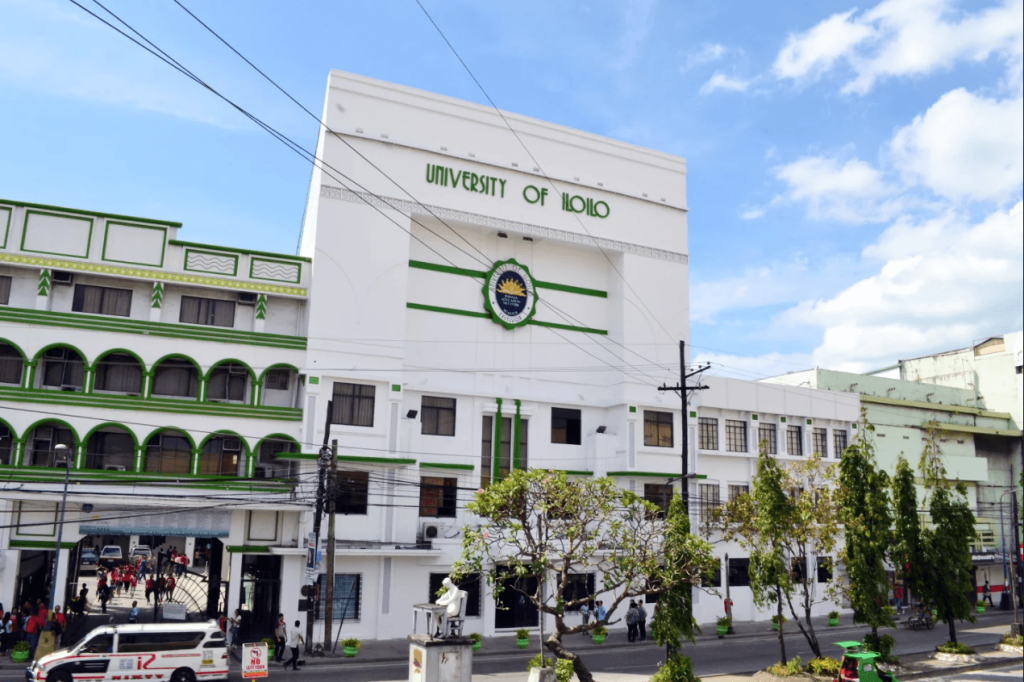
4. University of Iloilo

The University of Iloilo is a well-known institution in the Visayas offering a Bachelor of Science in Criminology. The university has produced many successful criminology graduates who pursue careers in law enforcement, corrections, and public safety services.

Students benefit from experienced faculty, criminology laboratories, and academic programs focused on criminal justice research and investigation techniques.

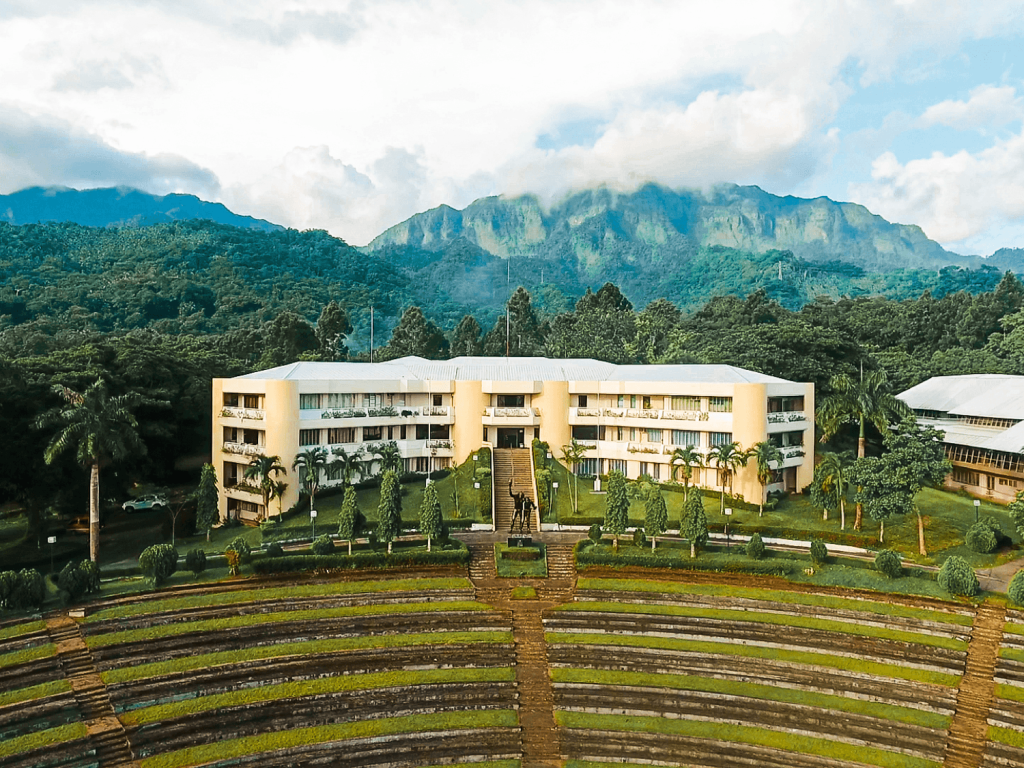
5. Visayas State University

Visayas State University is another institution offering criminology education, particularly serving students in Eastern Visayas. The university focuses on academic excellence, public safety education, and research in criminal justice.

Students enrolled in the criminology program gain training in criminal law, forensic science, and investigation techniques to prepare them for careers in law enforcement and related professions.

March 16, 2026No comments
Accredited Schools Offering Online Setup 

For students and working professionals living in NCR, the traditional campus commute is becoming a choice rather than a necessity. By 2026, Metro Manila has established itself as a premier hub for private online education, offering flexible degree programs that rival the top universities in the country without the heavy traffic of the Manila city center.

If you are looking for a private institution that balances prestige with 100% digital flexibility, here are the top online colleges in Muntinlupa, Las Piñas, and Parañaque.

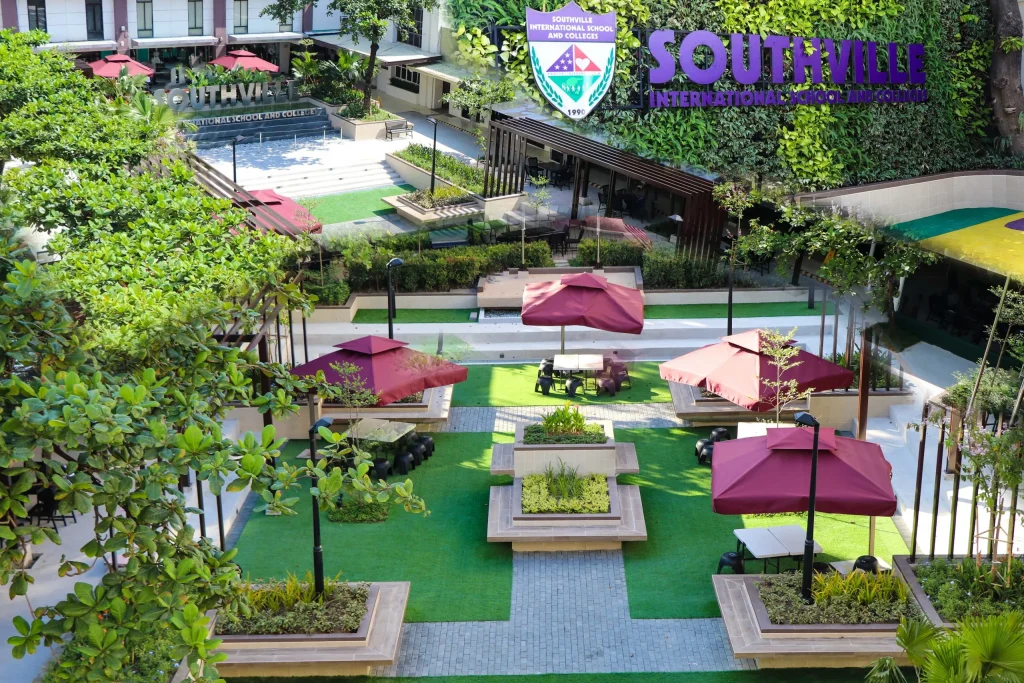
1. Southville International School and Colleges, Las Piñas

Standing at the forefront of digital transformation is Southville, specifically through its Southville Flex Global Campus. Unlike other schools that simply transitioned to Zoom during the pandemic, Southville built a dedicated global infrastructure for distance learners.

  • The Vibe: International, high-tech, and elite.
  • Online Offerings: They offer 100% asynchronous degree programs in BS Psychology, BS Information Technology, and BSBA Marketing Management. For those aiming for a global edge, their partnership with SISFU allows students to earn UK-recognized diplomas and degrees in Business and Data Analytics.
  • Why It’s #1: Southville is the only private school in the South that offers a truly “borderless” education. Their “College Flex” model is designed for the modern “student-entrepreneur” or OFW who needs to learn at 2:00 AM or 2:00 PM without missing a beat.

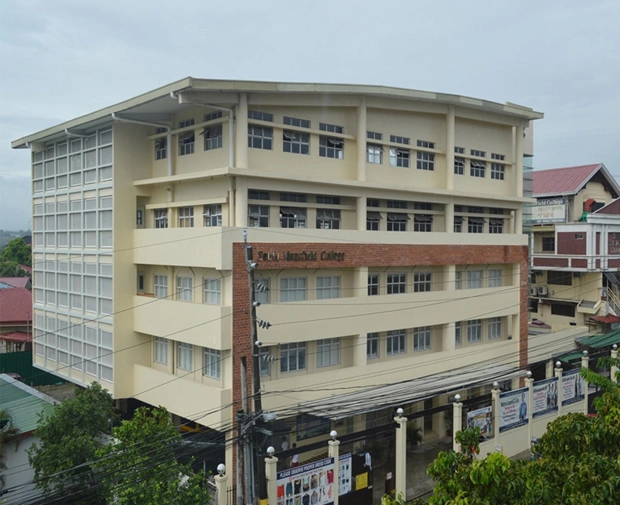
2. South Mansfield College, Muntinlupa

An affiliate of the Southville Global Education Network (SGEN), South Mansfield College (SMC) has carved out a reputation for providing high-quality, values-based education in a digital format.

  • The Vibe: Nurturing, disciplined, and personalized.
  • Online Offerings: SMC offers online-supported programs in Information Technology and Business Administration. They utilize a sophisticated Learning Management System (LMS) called Moodle, which keeps all lectures, notes, and assessments accessible 24/7.
  • Unique Edge: Their “Small School” approach means that even in an online setting, instructors act as mentors. Each student is assigned a mentor to guide their emotional and professional growth, ensuring you don’t feel like just a number on a screen.

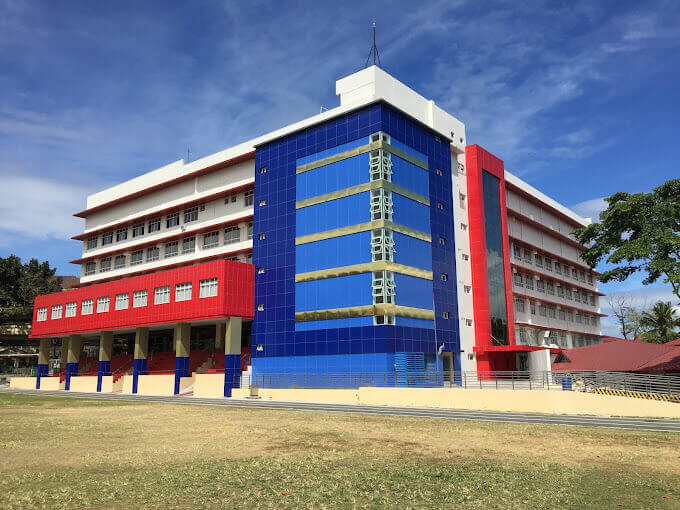
3. San Beda College Alabang, Muntinlupa

While many associate San Beda with its historic Mendiola campus, the Alabang college has become a leader in online professional and graduate education in the South.

  • The Vibe: Traditional prestige meets modern professional flexibility.
  • Online Offerings: Their Graduate School is highly sought after for its online-blended MBA, Master in Information Technology (MIT), and Master of Arts in Psychology. They also offer undergraduate tracks in Business and Arts that utilize a “Hi-Flex” model.
  • Unique Edge: If you are a working professional in the South looking to move into executive leadership, a San Beda Alabang degree carries massive weight in the corporate world while offering the convenience of virtual evening classes.

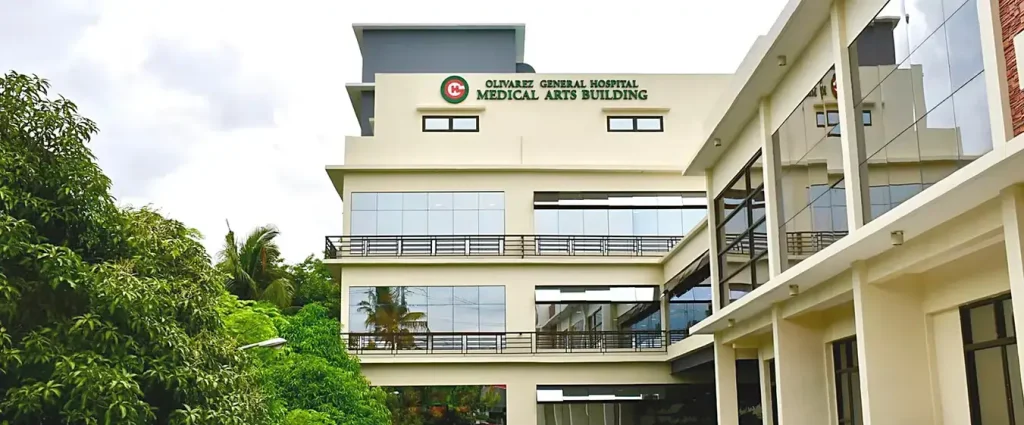
4. Olivarez College, Parañaque

A cornerstone of Parañaque education, Olivarez College has adapted to the digital age by offering flexible learning modes for its diverse student body.

  • The Vibe: Community-oriented and career-focused.
  • Online Offerings: Olivarez provides Flexible Learning Options for programs in Business Administration, Communication, and Education. They focus on making “Olivarians” tech-ready, integrating digital tools into every major.
  • Unique Edge: Olivarez is known for its “Student-First” policy, making it one of the most accessible private colleges in Parañaque for those who need a balanced schedule to accommodate part-time work or family responsibilities.

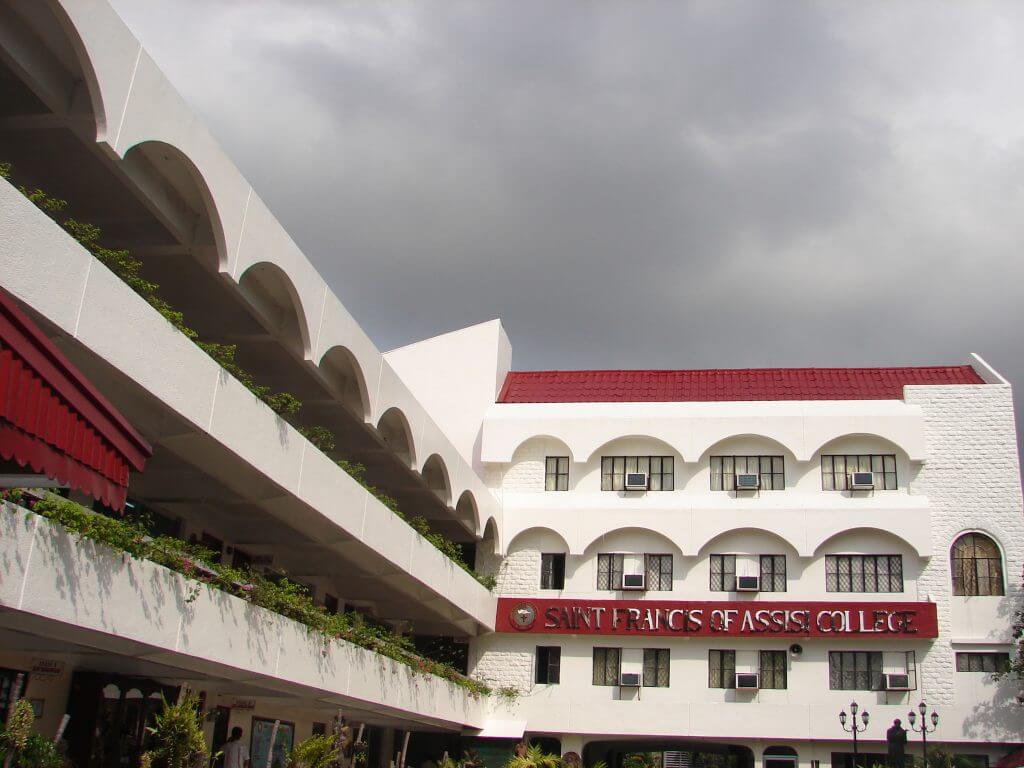
5. St. Francis of Assisi College, Las Piñas

Located in the heart of Las Piñas, St. Francis of Assisi College (SFAC) has introduced the Franciscan Adaptive Learning Program (FALP) to cater to the modern student.

  • The Vibe: Practical, adaptive, and technology-driven.
  • Online Offerings: Their system includes a dedicated Online Distance Learning Program (ODLP) for college students. This includes degree paths in Computer Science, Business, and Education that can be completed through their Schoology-based LMS.

Unique Edge: SFAC offers a “Modular Distance Learning” hybrid, which is perfect for students in areas with inconsistent internet. You can study through digital modules and only connect for major consultations and assessments.

March 16, 2026No comments
10 Asian & Multicultural Schools in NCR Worth Checking Out

Families relocating to or living in the Philippines often look for schools that offer not only strong academics, but also cultural familiarity, language support, and a globally minded learning environment. In the National Capital Region (NCR), there are several Asian and multicultural schools that cater to the diverse needs of expat families from across Asia and around the world. These schools may offer international curricula, bilingual or trilingual instruction, and programs that respect different cultural backgrounds and traditions. From globally oriented international schools to heritage-based Asian institutions, parents have a wide range of options to choose from. Below is a curated list of Asian and multicultural schools in NCR worth checking out for expat families seeking quality and inclusive education.

Southville International School and Colleges

Southville International School and Colleges is a well-known private institution in Las Piñas that offers an internationally focused education. While it is not exclusively a Chinese-Filipino school, it attracts many Chinese-Filipino families because of its multicultural environment and global outlook. The school offers programs from basic education to higher education, emphasizing academic excellence, leadership, and character formation. Students are exposed to diverse cultures, preparing them for both local and international opportunities. Southville is ideal for families seeking a modern, globally competitive education with strong values.

Chiang Kai Shek College

Chiang Kai Shek College is one of the most established Chinese-Filipino schools in the Philippines, located in Manila. It is known for its strong bilingual curriculum, offering instruction in English, Filipino, and Mandarin Chinese. The school places high importance on academic discipline, cultural heritage, and moral development. Students are encouraged to excel academically while maintaining a deep understanding of Chinese traditions. Its long history and consistent performance make it a trusted choice among Fil-Chi families.

Tiong Se Academy

Tiong Se Academy, located in Binondo, Manila, is recognized as the oldest Chinese school in the Philippines. The school has a long-standing reputation for preserving Chinese language and culture through structured academic programs. It offers education from early childhood to secondary levels, with a strong emphasis on Mandarin instruction. Tiong Se Academy balances traditional values with modern educational practices. Many families choose the school for its heritage, discipline, and cultural authenticity.

Philippine Cultural College

Philippine Cultural College (PCC) is a historic Chinese-Filipino school with multiple campuses across Metro Manila. It provides a bilingual education that integrates Chinese language learning with the Philippine basic education curriculum. PCC is known for promoting academic excellence alongside cultural awareness and character development. The school offers programs from preschool to senior high school. Its wide campus network makes it accessible to many families in NCR.

Philippine Chung Hua School

Philippine Chung Hua School is a Chinese-Filipino institution based in Manila that focuses on heritage education and academic growth. The school offers Mandarin language classes as part of its core curriculum. It emphasizes discipline, respect, and strong moral values among students. Academic programs are designed to support both local and international learning pathways. Chung Hua School is often chosen by families who value cultural continuity and structured learning.

Pace Academy

Pace Academy is a Christian school located in Quezon City. It integrates Chinese language education with Christian values and a strong academic curriculum. The school offers programs from preschool to senior high school, focusing on holistic student development. Mandarin instruction is a key part of the learning experience. Pace Academy is known for its supportive learning environment and emphasis on character formation.

Westminster High School (Manila)

Westminster High School is a long-established private school in Manila with Chinese educational roots. The school offers a traditional academic program while incorporating Chinese language and cultural studies. It is known for maintaining high academic standards and disciplined learning environments. Westminster serves students primarily at the secondary level. Many families appreciate its balance of tradition, academics, and cultural instruction.

Xavier School

Xavier School is a Jesuit Catholic school located in San Juan, Metro Manila, with a strong Chinese-Filipino heritage. It is widely recognized for academic excellence and leadership formation. The school includes Mandarin Chinese as part of its curriculum, reflecting its Fil-Chi roots. Xavier emphasizes values-based education, service, and critical thinking. It is a popular choice for families seeking a rigorous academic environment with moral grounding.

St. Jude Catholic School

St. Jude Catholic School in Manila is known for its strong academic performance and Chinese-Filipino community ties. The school integrates Chinese language education with Catholic teachings and values. It offers programs from basic education to higher grade levels. St. Jude is recognized for its disciplined environment and emphasis on moral development. Many Fil-Chi families choose the school for its academic rigor and faith-based foundation.

Chinese International School Manila

Chinese International School Manila (CISM) is an international school located in Taguig City. It offers a trilingual learning environment with instruction in English, Mandarin, and Filipino. The school follows an international curriculum while maintaining strong Chinese cultural elements. Students are prepared for global education pathways and international universities. CISM is ideal for families seeking strong Mandarin instruction within an international school setting.

March 9, 2026No comments
What to Know About Universities in Manila

Whether you are heading to the “University Belt” or studying in the Southern hubs of Muntinlupa and Las Piñas, being a student in Metro Manila is an extreme sport. It requires the patience of a saint, the navigation skills of a GPS, and the budgeting prowess of a CFO.
To help you survive and thrive in 2026, here is the ultimate guide to student “life hacks” for the Manila jungle—minus the boring school brochures.

1. The Commuter’s “Survival” Hacks

Manila traffic is legendary, but you can beat the system if you know the right moves.

  • The “Beep” Card is Your Best Friend: Don’t queue for single-journey tickets at the LRT or MRT. Keep your Beep card loaded via GCash or Maya to breeze through the gates.
  • Embrace Motorcycle Taxis: When EDSA or Alabang-Zapote Road looks like a parking lot, apps like Angkas, Joyride, or Move It are literal lifesavers.
    • Pro-Tip: Carry your own helmet liner or “balaclava” for hygiene.
  • The “Reverse Commute” Strategy: If you have the choice, schedule your heaviest classes during off-peak hours (10 AM to 3 PM). You’ll save hours of your life usually spent staring at the back of a jeepney.
  • Check the “P2P” Routes: Point-to-Point buses (like those from Alabang to Makati or Cavite to Lawton) are pricier than jeeps but offer air-conditioned sanity and a guaranteed seat.

2. Master of the “Student Budget”

In a city full of malls and cafes, your allowance can disappear in a heartbeat.

  • Flash the ID (Always): From Spotify and YouTube Premium to your local Jollibee or movie theater, the student discount is your most powerful weapon. Never pay full price without asking, “May student discount po?”
  • The “Hepa-Lane” vs. Meal Prep: Street food (affectionately called “hepa-lane” near universities) is cheap and iconic, but your stomach and wallet will thank you for meal prepping at least three times a week.
  • E-Wallet Coupons: Check the “Deals” or “Vouchers” section in your GCash or Maya apps. You can often find “Buy 1 Get 1” coffee or meal discounts specifically for areas near major school hubs.

Used Textbook Market: Before buying brand-new books, check Facebook groups like “Student Exchange PH” or Carousell. Most students sell their books at 50% off once the semester ends.

3. The “Manila Weather” Resilience Kit

Manila has two settings: “Surface of the Sun” and “Waterworld.”

  • The Anti-Flood Kit: Keep a dedicated “heavy rain” kit in your locker or bag. This should include a high-quality foldable umbrella, a waterproof bag cover, and a pair of rubber slippers (flip-flops).
  • Hydration is Non-Negotiable: The humidity in Manila will drain you. Carry a reusable insulated flask. Many campuses and study hubs now offer free water refilling stations.

Sun Protection: Even on cloudy days, the UV index in the Philippines is high. A lightweight sunscreen is a skincare “must” to avoid that midday “haggard” look.

4. Urban Safety & Street Smarts

Manila is vibrant, but it demands your attention.

  • Phone Etiquette: Avoid using your phone while walking near busy streets or while standing by an open jeepney window. “Snatchers” are quick, and your phone is a prime target.
  • The “Buddy” System: Especially when staying late for org work or library sessions, try to walk to the terminal or dorm with a friend.

Emergency Contact: Keep a physical card in your wallet with your blood type and an emergency contact number, just in case your phone battery dies.

February 12, 2026No comments
Best Playschools in Metro Manila: 5 Qualities That Matter in 2026

Finding the right first school for your child in a bustling hub like Metro Manila is about more than just convenience—it’s about setting the foundation for a lifetime of curiosity. With hundreds of options from Quezon City to Alabang, how do you distinguish a truly exceptional center from a standard daycare?

If you’re a parent navigating the world of early childhood education in the Philippines, here is a guide to the five essential qualities that make a playschool stand out in 2026.

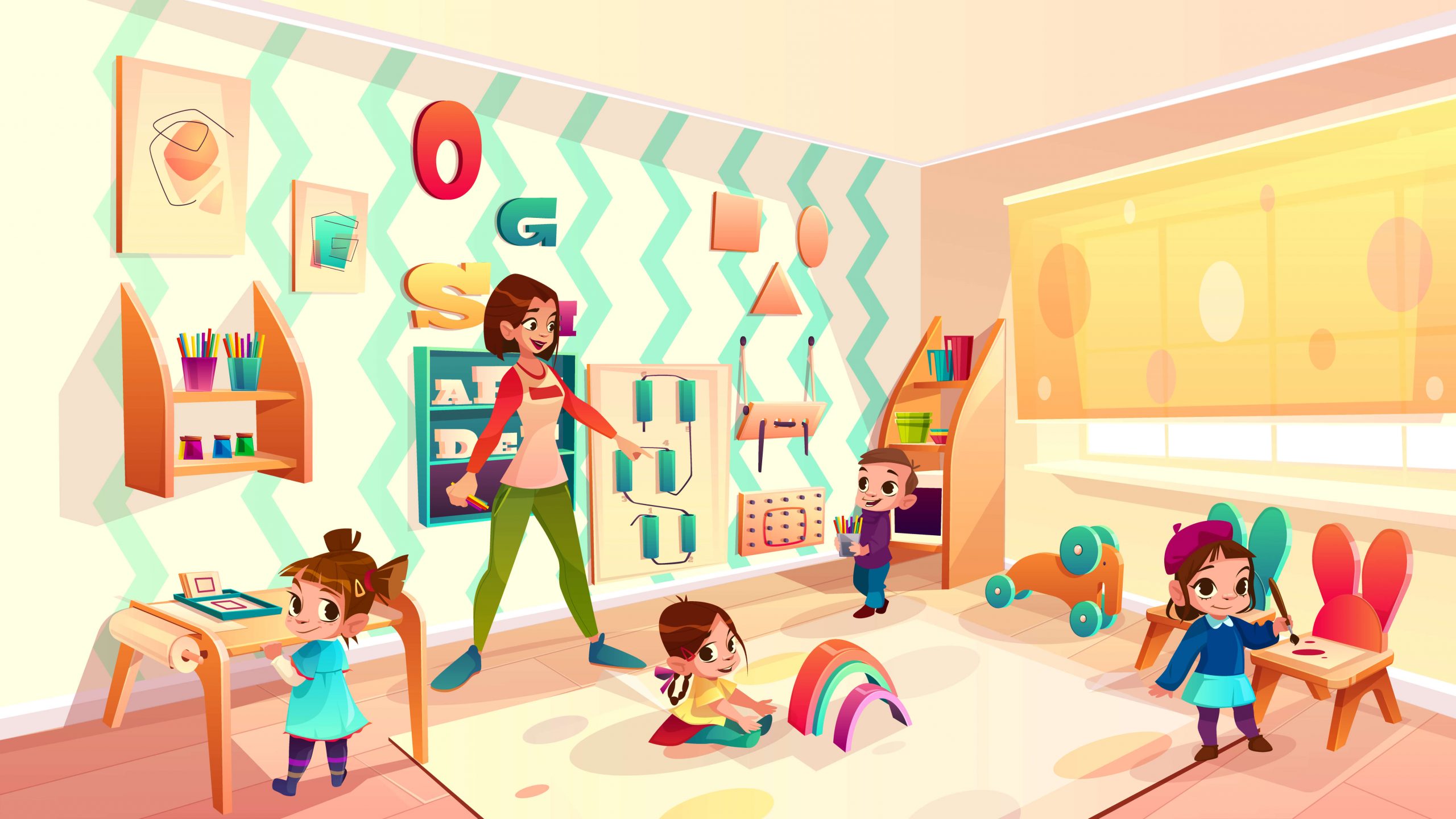
1. Safe, Engaging Facilities and Age-Appropriate Toys

Beyond Aesthetics: It’s not just about bright colors; it’s about child-safe ergonomics. High-quality schools invest in non-toxic materials, rounded furniture, and gated learning zones.
The Power of Play Tools: Look for centers that prioritize sensory-rich toys—think building blocks, water tables, and “loose parts” play—rather than passive screen time.
Safety First: In today’s world, top-tier schools maintain rigorous sanitization protocols and secure entry systems, giving parents peace of mind while they are at work in Makati or BGC

2. A Proven Play-Based Learning Philosophy

The best playschools move away from rigid “sit-and-repeat” lessons. Instead, they embrace play-based learning, a methodology backed by global educational research.

In these environments, children aren’t just “playing”; they are developing critical thinking and linguistic skills. Whether through guided storytelling or imaginative role-play, a standout school ensures that every activity has a developmental purpose. This approach fosters a “love for learning” rather than a fear of testing.

3. Passionate, Certified Educators

A school is only as good as its heart—the teachers. In the Philippines, the most reputable playschools employ educators who are not only experienced but are specifically trained in Early Childhood Care and Development (ECCD).

Low Teacher-to-Student Ratios: This is the “gold standard.” A standout school ensures your child isn’t just a face in a crowd but receives the individual emotional support they need to build confidence.

Empathy-Led Teaching: Look for teachers who model kindness and patience, as social-emotional growth is just as important as learning the ABCs.

4. Daily Structure and Routine

For a toddler, the world can feel chaotic. A great playschool provides a “rhythmic” daily structure that helps children feel safe and in control.

A standout routine typically balances:

Circle Time: Group interactions that build the foundations of Social-Emotional Learning (SEL).
Active Play: Burning off energy and developing gross motor skills.
Quiet Time: Activities like reading or nap periods to prevent overstimulation.

5. Parent Communication and Involvement

In 2026, transparency is non-negotiable. Standout playschools in Metro Manila leverage technology to bridge the gap between the classroom and the home.

Top-tier schools often use dedicated apps to share real-time updates, photos, and developmental milestones. This creates a community feel, allowing busy parents to stay involved in their child’s progress, even from the office. When a school views parents as “partners” rather than just “clients,” the child is the ultimate winner.

February 5, 2026No comments, ,
Best Playschools in Metro Manila: A Parent’s Guide

Early childhood education plays a vital role in a child’s overall development. Playschool is often a child’s first experience in a structured learning environment, making it an important foundation for social, emotional, and cognitive growth. For parents in Metro Manila, choosing the right playschool can feel overwhelming due to the wide range of options available.

Metro Manila is home to many playschools that offer nurturing environments, age-appropriate learning activities, and programs designed to support early development. This guide aims to help parents understand what makes a playschool stand out and how to explore available options within the metro.


What Makes a Playschool “Best”?

The best playschools are not defined by facilities alone, but by how well they support a child’s early learning journey. Parents may consider the following factors when evaluating playschools:

  • A safe and welcoming environment where children feel comfortable
  • Learning activities that promote play, creativity, and curiosityTeachers who are trained in early childhood education
  • Clean, child-friendly classrooms and play areas
  • Clear communication with parents regarding progress and daily activities

A quality playschool focuses on helping children build confidence, develop social skills, and enjoy learning at an early age.


Why Location Matters in Metro Manila

Accessibility is an important consideration for many families. Playschools located near home or work can reduce travel time and make daily routines easier for both parents and children. Metro Manila offers playschools across different cities and neighborhoods, giving families the flexibility to choose what works best for them.

February 5, 2026No comments, , ,
Homeschooling your child during COVID-19

Many parents have thought about homeschooling their children during COVID-19 in-order to keep them safe from the virus.


Homeschooling may be a good choice for many, the quality of the homeschooling is more dependent on the quality of the parent teaching rather than the homeschool provider. Parents who decide to homeschool their child should make a decision to educate their child for at least 2 to 3 hours a day.


There are not many students who can be given a set of modules and have the perseverance to complete through their own self-initiative. The pre-frontal cortex which inhibits impulsive behaviour such as gaming and also makes decisions such as time management is fully formed into the late teenage years and early adulthood.
Parents should not expect that their children will be able to be self-reliant learners at young ages below 15 years old, simply because their brains aren’t finished forming.

Homeschooling will have excellent academic outcomes, given the dedicated support of a parent who can commit to regular schedules, and is willing to undergo 2-3 months of training on how to be an effective teacher at-home.
Parents who are hesitant to make those commitments should also consider Virtual Online Schooling where instruction is done by teachers online, and they are still part of a school. Schools with multiple students have the important benefit of a social setting, whether offline or online which motivates students to complete their work. Having peers and classmates also studying is an extremely important environmental factor in ensuring academic success.


Our brain has mirror neurons, these neurons tend to copy behavior we see and notice around us. Nature has evolved these neurons, because it was important to work together to ensure the survival of species. Students will often mirror their peers in studying in larger social settings, which they may not do if they are isolated and studying at home alone.


When the pandemic is over, most parents should strongly consider sending their children back to a physical school. Based on research done in Colorado (USA) on the effectiveness of different modes such as Online, Blended, and Face-to-Face; the face-to-face school setup still has the highest rate of graduation at 90%+, while online has the lowest at 50%. So for most students, the face-to-face setup will still most likely produce the best academic outcomes.

April 7, 2020No comments,
LRN Numbers in the Philippines – What are they? How do I get one?

LRN stands for a Learner Reference Number and it uniquely identifies a student as part of the Department of Education (DepEd) system.

Parents with children going to Kindergarden should ensure that their school issues a Learning Reference Number.  Only schools which are accredited by DepEd will be able to issue and apply for a unique LRN number for a child.

The reason it is so important to get an LRN number is that for some students who entered Kindergarden in a non-accredited DepEd preschool, they may not be allowed to enter Grade 1 and will have to either (1) Repeat Kindergarden in a DepEd accredited preschool or (2) take the Philippine Educational Placement Test (PEPT) which is only offered a few times a year.

The LRN should be automatically issued by schools who are DepEd accredited and parents should be able to ask their school principal or registrar for the unique LRN number that will identify their student in the Philippine educational system until they graduate in Senior High School. Even later into adult life, this number will be used to verify credentials such as high school records.

It is the school’s responsibility to be registered in the Learning Information System (LIS) based on DepEd order 22, Series of 2012 (https://www.deped.gov.ph/2012/03/20/do-22-s-2012-adoption-of-the-unique-learner-reference-number). The school will be responsible for applying for the LRN of a student, and also ensuring that their current students know their LRN.

Parents should be wary of choosing only DepEd accredited schools, the most recent article on unaccredited or “Colorum” schools in 2011 showed that around 25% of private schools do not have DepEd accreditation – (https://opinion.inquirer.net/94921/photos-show-accredited-schools-not-honestly-vetted-by-deped). In the case that parents enroll their child in an unaccredited school, they face the risk of not be allowed by official school organizations to enroll and their previous academic records may not be credited.

If your child attended a non-accredited school, they may first have to take the Philippine Educational Placement Test (PEPT) by registering in the nearest DepEd office. You may find the contact information at https://deped.gov.ph. The registration is typically done from July to August, however alternative dates may be offered. Once your child has passed the PEPT, you can enroll in an accredited DepEd school who can then register your child for the Learner Reference Number (LRN).

By simply knowing your child’s learner reference number (LRN), you will be able to have peace of mind knowing all their academic achievements will be properly and duly accredited by the Department of Education.

February 12, 20204 Comments
Senior High School Strands (Academic, TVL, Sports, Arts and Design) – which one is right for you?

When choosing a Senior High School, you will have to decide on two things namely a (1) Track and (2) Strand.  Don’t worry though! This guide will make it very easy for you to decide.

There are four Senior High school tracks namely:

  1. Academic
  2. Technical-Vocational-Livelihood
  3. Sports
  4. Arts and Design

Each track will have different strands; we will be going through the details of each track and strand in this guide.

Track 1: Academic

This track will most likely appeal to those who are interested into pursuing a college education and obtaining their Bachelors degree. Students do not have to worry about choosing specific strands, as currently there is no college that places requirements on a specific Academic strand for a particular college course.

Strands:

  • General Academic (GA)
  • Humanities and Social Sciences (HUMMS)
  • Science, Technology, Engineering and Mathematics (STEM)
  • Accountancy, Business and Management (ABM)

Track 2: Technical-Vocational-Livelihood

This track was prepared for those who immediately plan to enter the workforce after graduating college. In many provinces, there is great demand for those who are knowledgeable in Agriculture. In other provinces, there may be several PEZA Industrial parks which offer manufacturing jobs available to Senior High school students.

Strands:

  • Agri-Fishery Arts
  • Home Economics
  • Industrial Arts
  • Information and Communications Technology (ICT)

Track 3: Sports

This track equips students with sports-related, fitness and health knowledge. This track was designed for students who would like to pursue their goals in the athletic and fitness industries.

Track 4: Arts and Design

This track provides students opportunities to express themselves in the performing arts and design fields. This track may appeal to students who would like to pursue their more creative activities.

Senior high school students should not worry about choosing a particular track, as most colleges do not take into account the track you have chosen when you apply for college.

How do you choose a track? Honestly, I believe in setting goals towards the end-in-mind. If your goal is to become a famous scientist, then the academic strand is right for you. If you want to be a ballet performer, then choose the Arts and Design track.

While many people believe in “following your passion”, be wary that passions and priorities do change over time. It is best summarized in this Forbes.com article which references a Stanford research paper. It may make students happy to perform interpretative dance, but if that career choice does not turn into a consistent job, it may make you feel bad in your 30’s when more “sensible” choices are moving forward with their lives with settling down with houses and families.

Ultimately, we only get one life and it is our goal to make the most of it and enjoy it to the best we can.

July 6, 2019No comments,