Finding the right first school for your child in a bustling hub like Metro Manila is about more than just convenience—it’s about setting the foundation for a lifetime of curiosity. With hundreds of options from Quezon City to Alabang, how do you distinguish a truly exceptional center from a standard daycare?
If you’re a parent navigating the world of early childhood education in the Philippines, here is a guide to the five essential qualities that make a playschool stand out in 2026.
1. Safe, Engaging Facilities and Age-Appropriate Toys
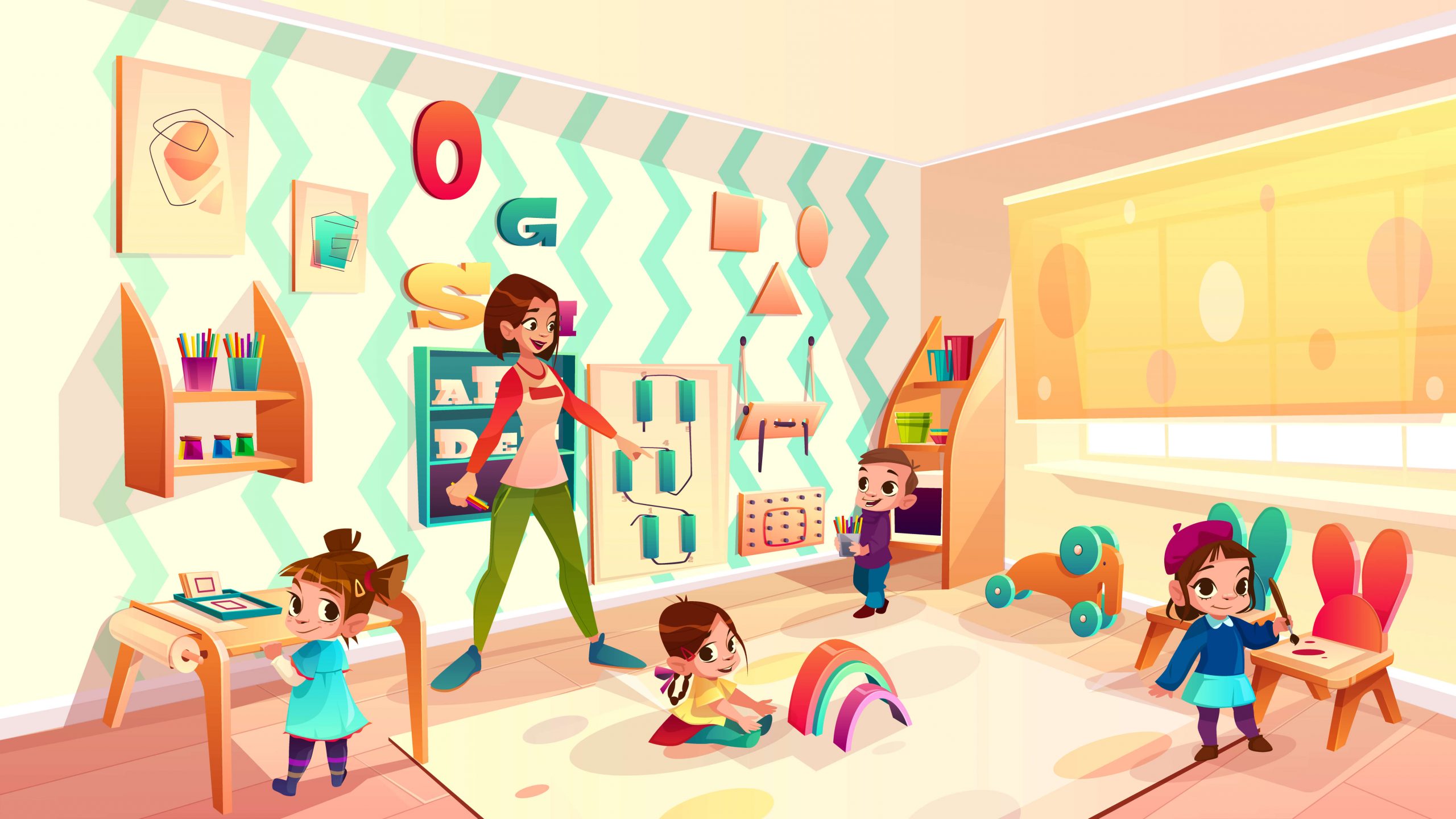
Beyond Aesthetics: It’s not just about bright colors; it’s about child-safe ergonomics. High-quality schools invest in non-toxic materials, rounded furniture, and gated learning zones.
The Power of Play Tools: Look for centers that prioritize sensory-rich toys—think building blocks, water tables, and “loose parts” play—rather than passive screen time.
Safety First: In today’s world, top-tier schools maintain rigorous sanitization protocols and secure entry systems, giving parents peace of mind while they are at work in Makati or BGC
2. A Proven Play-Based Learning Philosophy
The best playschools move away from rigid “sit-and-repeat” lessons. Instead, they embrace play-based learning, a methodology backed by global educational research.
In these environments, children aren’t just “playing”; they are developing critical thinking and linguistic skills. Whether through guided storytelling or imaginative role-play, a standout school ensures that every activity has a developmental purpose. This approach fosters a “love for learning” rather than a fear of testing.
3. Passionate, Certified Educators
A school is only as good as its heart—the teachers. In the Philippines, the most reputable playschools employ educators who are not only experienced but are specifically trained in Early Childhood Care and Development (ECCD).
Low Teacher-to-Student Ratios: This is the “gold standard.” A standout school ensures your child isn’t just a face in a crowd but receives the individual emotional support they need to build confidence.
Empathy-Led Teaching: Look for teachers who model kindness and patience, as social-emotional growth is just as important as learning the ABCs.
4. Daily Structure and Routine
For a toddler, the world can feel chaotic. A great playschool provides a “rhythmic” daily structure that helps children feel safe and in control.
A standout routine typically balances:
Circle Time: Group interactions that build the foundations of Social-Emotional Learning (SEL).
Active Play: Burning off energy and developing gross motor skills.
Quiet Time: Activities like reading or nap periods to prevent overstimulation.
5. Parent Communication and Involvement
In 2026, transparency is non-negotiable. Standout playschools in Metro Manila leverage technology to bridge the gap between the classroom and the home.
Top-tier schools often use dedicated apps to share real-time updates, photos, and developmental milestones. This creates a community feel, allowing busy parents to stay involved in their child’s progress, even from the office. When a school views parents as “partners” rather than just “clients,” the child is the ultimate winner.