Parenting

Best Playschools in Metro Manila: A Parent’s Guide

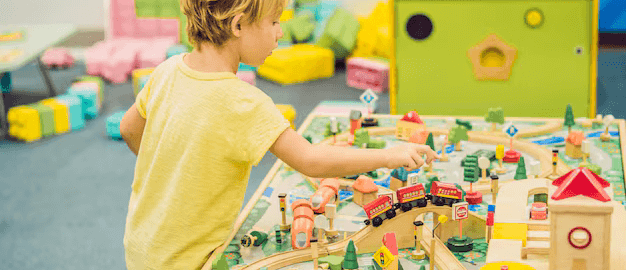
Early childhood education plays a vital role in a child’s overall development. Playschool is often a child’s first experience in a structured learning environment, making it an important foundation for social, emotional, and cognitive growth. For parents in Metro Manila, choosing the right playschool can feel overwhelming due to the wide range of options available.

Metro Manila is home to many playschools that offer nurturing environments, age-appropriate learning activities, and programs designed to support early development. This guide aims to help parents understand what makes a playschool stand out and how to explore available options within the metro.


What Makes a Playschool “Best”?

The best playschools are not defined by facilities alone, but by how well they support a child’s early learning journey. Parents may consider the following factors when evaluating playschools:

  • A safe and welcoming environment where children feel comfortable
  • Learning activities that promote play, creativity, and curiosityTeachers who are trained in early childhood education
  • Clean, child-friendly classrooms and play areas
  • Clear communication with parents regarding progress and daily activities

A quality playschool focuses on helping children build confidence, develop social skills, and enjoy learning at an early age.


Why Location Matters in Metro Manila

Accessibility is an important consideration for many families. Playschools located near home or work can reduce travel time and make daily routines easier for both parents and children. Metro Manila offers playschools across different cities and neighborhoods, giving families the flexibility to choose what works best for them.
February 5, 2026No comments, , ,
Homeschooling your child during COVID-19

Many parents have thought about homeschooling their children during COVID-19 in-order to keep them safe from the virus.


Homeschooling may be a good choice for many, the quality of the homeschooling is more dependent on the quality of the parent teaching rather than the homeschool provider. Parents who decide to homeschool their child should make a decision to educate their child for at least 2 to 3 hours a day.


There are not many students who can be given a set of modules and have the perseverance to complete through their own self-initiative. The pre-frontal cortex which inhibits impulsive behaviour such as gaming and also makes decisions such as time management is fully formed into the late teenage years and early adulthood.
Parents should not expect that their children will be able to be self-reliant learners at young ages below 15 years old, simply because their brains aren’t finished forming.

Homeschooling will have excellent academic outcomes, given the dedicated support of a parent who can commit to regular schedules, and is willing to undergo 2-3 months of training on how to be an effective teacher at-home.
Parents who are hesitant to make those commitments should also consider Virtual Online Schooling where instruction is done by teachers online, and they are still part of a school. Schools with multiple students have the important benefit of a social setting, whether offline or online which motivates students to complete their work. Having peers and classmates also studying is an extremely important environmental factor in ensuring academic success.


Our brain has mirror neurons, these neurons tend to copy behavior we see and notice around us. Nature has evolved these neurons, because it was important to work together to ensure the survival of species. Students will often mirror their peers in studying in larger social settings, which they may not do if they are isolated and studying at home alone.


When the pandemic is over, most parents should strongly consider sending their children back to a physical school. Based on research done in Colorado (USA) on the effectiveness of different modes such as Online, Blended, and Face-to-Face; the face-to-face school setup still has the highest rate of graduation at 90%+, while online has the lowest at 50%. So for most students, the face-to-face setup will still most likely produce the best academic outcomes.

April 7, 2020No comments,